Health and Safety Policy for Upminster Storage
 Upminster Storage is committed to providing a safe, secure, and well-managed environment for customers, staff, contractors, and visitors. This health and safety policy sets out the principles and practices we follow to reduce risk, support responsible behaviour, and maintain high standards across all storage areas. Our approach is built on prevention, clear communication, and regular review, so that every person using the site can do so with confidence.
We recognise that storage facilities involve a range of potential hazards, including moving items, vehicle activity, manual handling, and the use of equipment. For that reason, our storage safety policy is designed to promote awareness and encourage safe conduct at all times. Everyone on site is expected to take reasonable care of their own safety and the safety of others, while following site rules and instructions.
Responsibility for health and safety is shared. Management will identify risks, provide suitable controls, and maintain the facility to a safe standard. Employees and representatives are expected to follow procedures, report concerns, and act promptly if they notice unsafe conditions. Customers using Upminster Storage should also store goods responsibly, respect restricted areas, and ensure that access routes remain clear and usable.
The facility is designed to support safe movement and secure storage, but safety depends on everyday conduct as well as layout and maintenance. We aim to keep floors clear, lighting effective, and access points orderly. Hazardous behaviour, unsafe stacking, or obstruction of walkways is not permitted. By keeping circulation routes free from clutter, we reduce the risk of slips, trips, falls, and collisions.
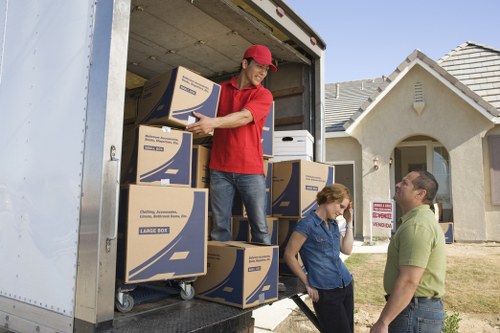
Manual handling is one of the most common sources of injury in storage environments. Customers and staff should assess the weight, shape, and stability of any item before lifting. Where practical, trolleys, carts, or other suitable aids should be used. Heavy or awkward goods should be moved by more than one person when needed, using care and controlled movement. Safe lifting practices help protect the back, shoulders, and joints.
 In addition to physical handling, attention must be given to the condition of items placed in storage. Goods that are wet, damaged, sharp, unstable, or likely to leak should be checked before being stored. Flammable, explosive, toxic, or otherwise dangerous substances must not be brought onto the premises unless explicitly authorised under controlled conditions. We expect all users to store items in a way that minimises risk to people, property, and the wider facility.
Fire safety is a critical part of our storage health and safety policy. Fire exits, alarm systems, and emergency equipment must remain unobstructed and accessible at all times. Smoking, open flames, and unauthorised electrical activity are prohibited in areas where they may create a hazard. Customers should ensure that stored items do not block ventilation, electrical access, or emergency routes. Good housekeeping plays a major role in fire prevention.
Security and safety work together. A well-controlled site supports both the protection of belongings and the prevention of accidents. Access should be limited to authorised persons only, and visitors should follow site rules while on the premises. Any suspicious activity, damaged locks, broken lighting, or unsafe interference with units should be reported immediately. Secure storage practices help reduce risk and preserve a safe environment for everyone.
 Contractors and maintenance personnel must carry out work in line with site rules and accepted safety standards. Tools, machinery, and temporary works should be used only by competent individuals, and any area under maintenance should be clearly identified and isolated when necessary. We expect work activity to be planned carefully so that it does not place others at unnecessary risk. Safe coordination is essential whenever repairs, inspections, or cleaning take place.
Emergency arrangements are reviewed regularly so that the site can respond quickly and effectively to incidents. Staff are trained to recognise risks, raise alarms, and follow established procedures in the event of fire, injury, or other emergencies. Customers should familiarise themselves with local safety notices and behave calmly if an incident occurs. Prompt reporting of hazards, spills, damaged fixtures, or near misses helps us prevent further harm.
All accidents and near misses are taken seriously. Incidents should be recorded, investigated, and used to improve future controls. This includes slips, manual handling injuries, damage caused by improper stacking, or any event that could have led to harm. By learning from incidents, we strengthen our health and safety management and improve the day-to-day experience for everyone using the storage facility.
 We also expect users to consider the safe arrangement of their own storage unit. Goods should be stacked securely, with heavier items placed lower down and unstable items protected from falling. Aisles within units should not be overcrowded, and access to frequently needed items should remain safe and manageable. Good organisation helps prevent strain, reduces the chance of items collapsing, and supports efficient access.
 Training and communication are central to the success of this policy. Staff receive appropriate instruction on safe working practices, emergency response, and hazard awareness. Clear signage, documented procedures, and regular reviews help reinforce expectations throughout the site. When everyone understands the rules, safe storage operations become easier to maintain consistently.
This policy will be monitored and updated where necessary to reflect changes in operations, equipment, or risk profile. Management will continue to review controls and seek improvements that support safer practice. The aim is not only compliance, but a practical and proactive standard of care that protects people and property alike. In this way, storage safety at Upminster Storage remains a shared responsibility and a core part of how the facility operates.